Principles of Biotechnology 1: Skills & Applications
Syllabus
-
What is biotech? Biotechnology is the use of living systems (cells, DNA, enzymes) to build tools and products in medicine, agriculture, and industry.
What is this course? This fast-paced, college-level course puts students in a real lab: running molecular biology lab skills used in research and diagnostic labs, while examining the business, ethics, and career paths around science.
What do students leave with? This course builds a real portfolio of (1) lab skills, (2) data analysis, and (3) professional communication that makes students competitive with college applications, scholarship interviews, and employers. Students leave able to talk credibly and confidently about hands-on science. Guest speakers, career preparation, and projects push students to engage deeply outside class.
-
I hold students to a real standard because I think they can meet it.
Safety first. No food, drink, or headphones in lab area. Phones at desk and silent. No protocol, no lab.
Be on time, help each other, uphold your class norms.
SFUSD and Lincoln HS policies apply. Syllabus subject to change.
-
Evidence, Data, & Experimental Design.
Make evidence-based claims from experiments like PCR, gels, and assays; collect and revise protocols; prepare accurate solutions and standards.DNA Principles & Molecular Techniques.
Explain and predict how genetic information is stored, transmitted, and expressed; perform core techniques (DNA extraction, PCR, gel electrophoresis) and troubleshoot results.Scientific & Professional Communication
Read, interpret, and critique primary literature; present and defend to audiences through posters, videos, and resumes; develop a professional identity.Lab Safety, Technique, & Quality
Follow safety protocols, use equipment correction, and keep accurate lab notebooks for documentation.Biotech Industry, Ethics, and Regulation
Understand the product pipeline, evaluate bioethics from multiple stakeholders, and strategize for a changing regulatory landscape.
-
Category Weights:
Assessments 40%
Labs 30%
Projects 20%
Exit Tickets 10%
Every assessment is open notebook. Most work can be revised once for full credit, once per grading period.
Missing work: If consistent effort shown in class, score of 1 of 4 until completed for full score. Otherwise, zero.
Please complete and sign the parent/guardian form below and return to Teacher Suh by Wednesday, September 2, 2026.
Fall Semester
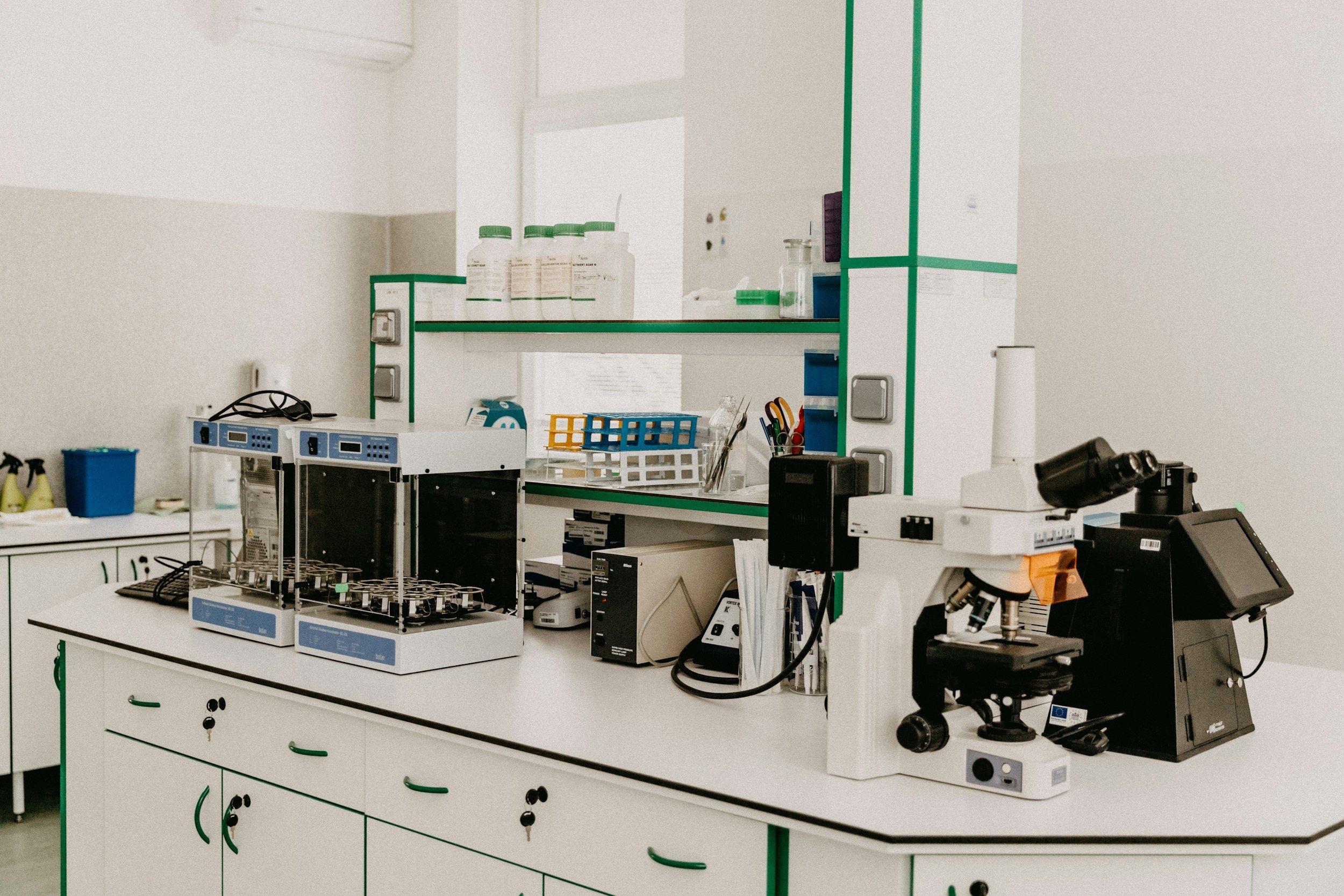
Unit 0: Thinking Like A Scientist
This introductory sequence establishes course expectations and introduces students to the foundational skills used throughout biotechnology.
Students practice making evidence-based observations, revising explanations based on unclear quantitative data, and presenting scientific information clearly and accurately to different audiences.
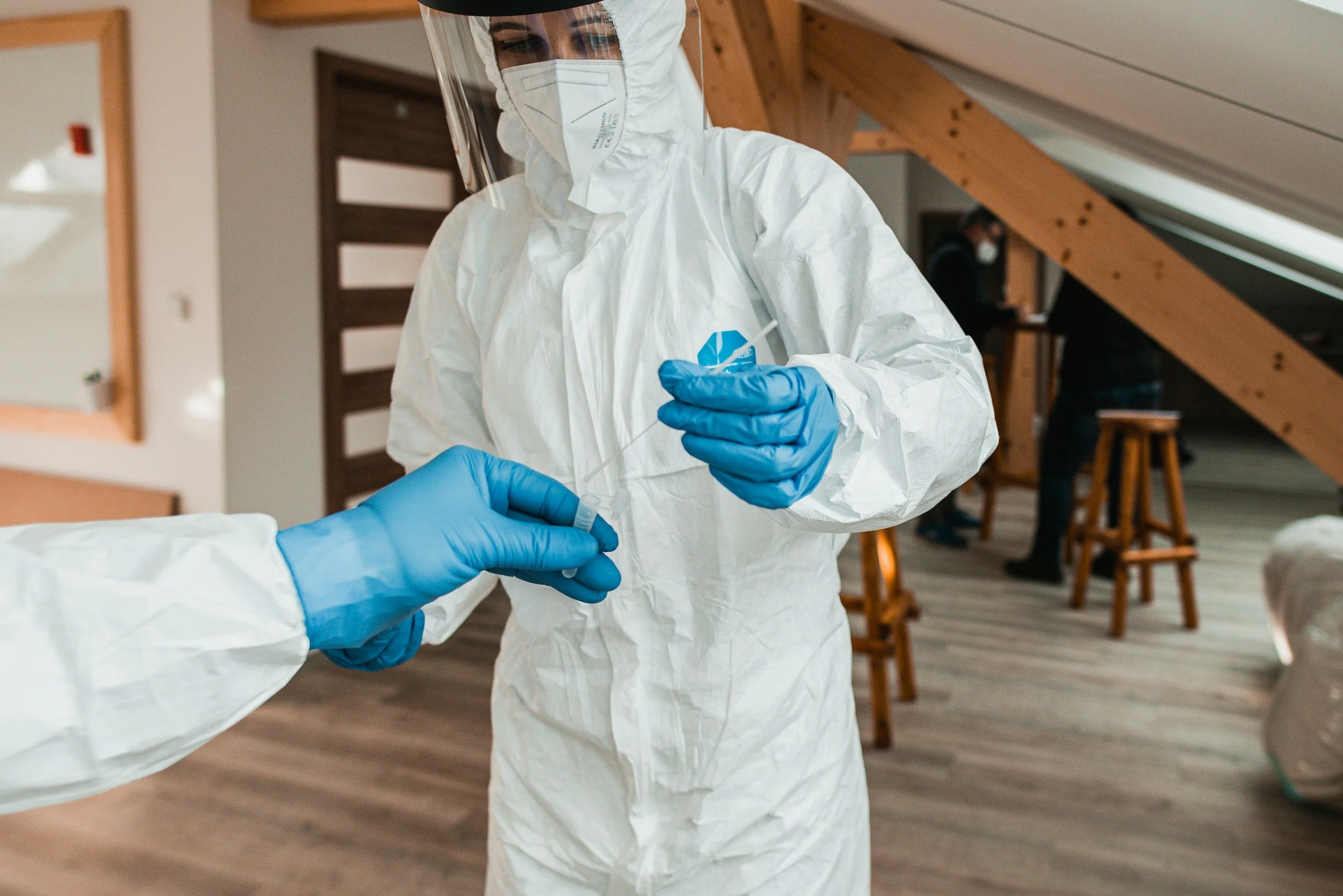
Unit 1: Intro to Biotech Skills, Careers, & Lab Safety
In this introductory sequence, students establish laboratory safety and organizational systems while exploring what biotechnology is, how it is practiced, and the many careers that contribute to the field.
Students also develop foundational scientific and professional skills—including evidence-based reasoning, laboratory measurement, résumé writing, and professional communication—while examining the history and growth of biotechnology in the Bay Area and beyond.
Slides & Materials
Lab Quiz: Lab Safety
1.1 Biotech Identity, Careers, and Bay Area Context
.1 Biotech Careers [slides]
.2 Beginning of Bay Area Biotech [slides]
.3 CER & Social Stories [slides]
1.1 Notebook Setup & Lab Safety [slides]
1.2 Skill Labs: Measuring Small Volumes
.1.AB Pipette Pump [slides]
.2C Micropipette [slides]
.D Micropipette Art (Spring)
Assignments
1. Project #1: Science Identity
1a - Hot Jobs in Biotech [form]
1c - Resume [doc]
1d - Scientist Inspiration Poster
Diverse Scientist Database [sheets] [external link]
2. Exit Tickets
3. Corporate Project 0.1: CER Practice
Check-In 0: Choose 2–3 possible companies. Name the problem, affected population, and why it matters. Use CER format.
4. Career Prep - Transferrable Skills [doc]
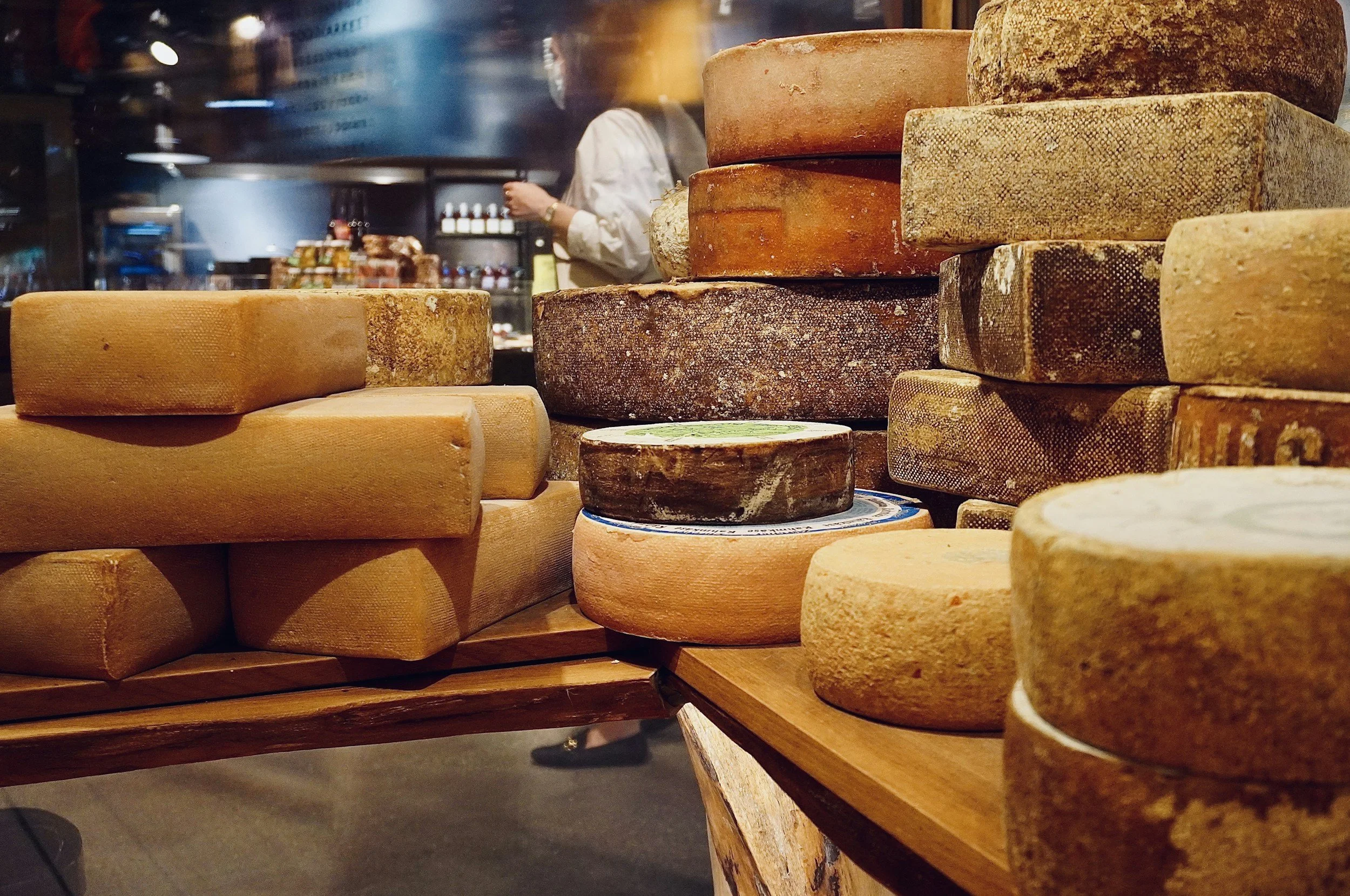
Unit 2:
Fermentation & Bioprocessing
Students compare two methods of cheese production while learning the principles of fermentation, enzymes, and bioprocessing. Through multiple trials, they evaluate results, identify sources of error, and refine their experimental design.
Slides & Materials
2.1 Fermentation, Experimental Design, and Cheese Lab
4.1 Historic v. Contemporary Biotech [slides]
4.2 Experimental Design & Cheese Lab [slides]
4.3 Lab Day: Cheese [slides]
4.4 Lab #1: Cheese Day 2 [slides]
2.2 Cheese Debrief and Fermentation Evidence
5.1 Lab #1: Cheese Debrief [slides]
Protocol Revision: Lab #1
5.2 Lab #1: Cheese Debrief 2 [slides]
Assignments
1. Lab #1 - Cheese Fermentation
Flowchart #1
Protocol Revision
Flowchart #2
Explanation
2. Exit Tickets
3. Quiz: Fermentation & Experimental Design
4. Corporate Project 0.2:
Question Bank
Coming Soon
Unit 3:
DNA Chemistry & Genetic Engineering
Students develop their own DNA extraction protocols, communicate and analyze results, and collaborate to refine and test a class-wide procedure.
They also explore the structure and chemistry of DNA through molecular modeling and an introduction to the tools scientists use to study and manipulate genetic material.
Slides & Materials
3.1 Optimizing DNA Extraction Protocol
7.2 Prelab #2a DNA Extraction [slides]
8.3 Lab #2b [slides]
3.2 Modeling DNA Chemistry and Restriction Enzymes
9.1 Lab #2b & DNA Chemistry [slides]
9.2 Restriction Endonucleases [slides]
Assignments
1. Lab #2: Optimizing DNA Extraction Protocol
Pre-lab: Protocol Flowchart
Group presentation #1, #2
Lab meeting #1, #2
Peer Feedback #1, #2
Poster
Reflection
2. Paper Lab: Designing Humalin
3. Worksheet: DNA Chemistry Review
4. Exit Tickets
5. Corporate Project 0.3: Technology Claim
What biological mechanism or tool does the company depend on?
What preconditions must be true for this product to work?
Question Bank
Coming Soon
Unit 4:
Genetics & Model Organisms
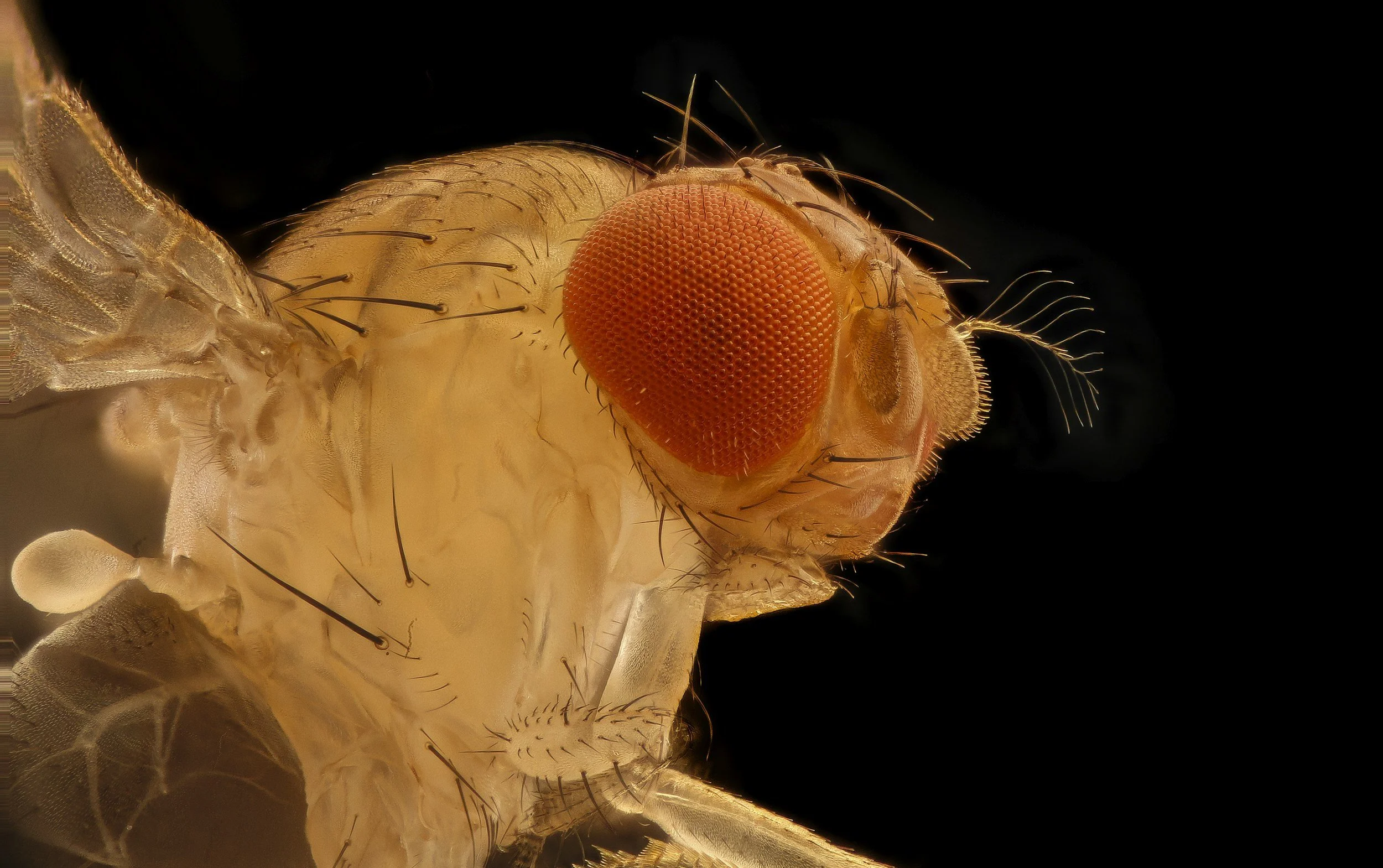
Students use fruit flies (Drosophila) as a model organism to investigate inheritance, variation, and experimental design. Through breeding experiments, laboratory techniques, and discussions of common misconceptions about genetics, students explore how genetic traits are studied and interpreted.
Slides & Materials
Lab #3: Inheritance of Drosophila
10.2 Model Organisms: Drosophila [slides]
10.3 Lab #3a: Drosophila Day 1 [slides]
11.1 Drosophila Life Cycle [slides]
11.3 Lab 3b: Breed F1 [slides]
11.4 Lab 4: Background & Prelab C [slides]
Assignments
Genetics of Inheritance Patterns
Worksheet: Punnett Square
Exit Tickets
Quiz: Genetic Inheritance
Corporate Project 0.4: Model Organisms
Question Bank
Coming Soon
Unit 5:
Molecular Tools & Electrophoresis
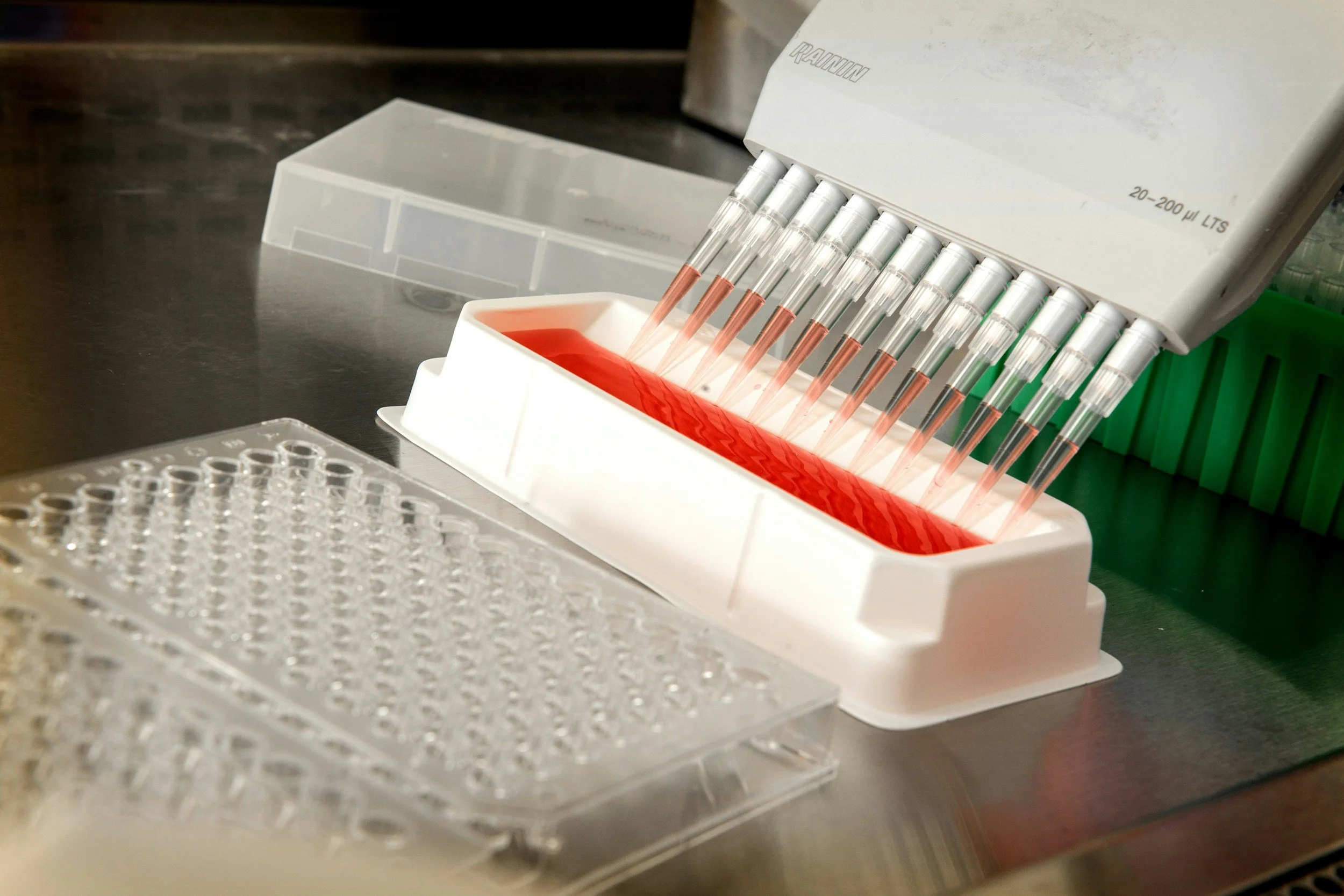
Students investigate how molecules can be separated and analyzed using gel electrophoresis. Through hands-on laboratory work with food dyes, students learn the principles behind one of biotechnology's most widely used techniques.
Slides & Materials
11.4 Lab 4: Background & Prelab C [slides]
12.1 Pre-Lab #4 [slides]
Lab #4: Food Dye Electrophoresis [outside link: BABEC]
Assignments
Lab #4: Food-Dye Electrophoresis
Exit Tickets
Quiz: Gel Electrophoresis & DNA Chemistry
Corporate Project 0.5: Distinguish weak and strong types of evidence. What kinds of data is the company relying on and how relevant and reliable are these data?
Question Bank
Coming Soon
Unit 6:
Diabetes & Medicine
Students explore how genetic information is expressed and inherited, from DNA and mutations to stem cells and human disorders.
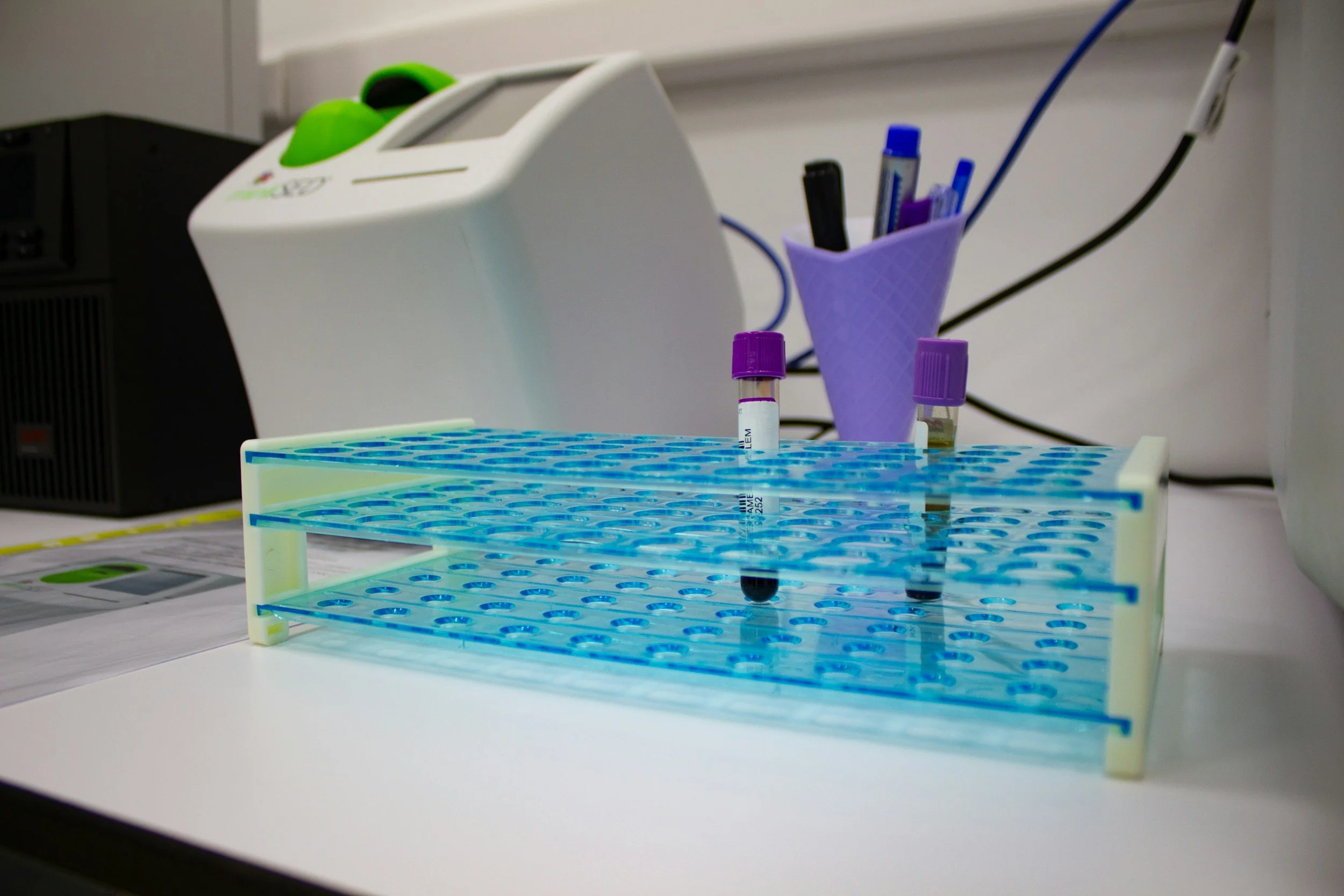
Through scientific literature, laboratory investigations, micropipetting and solution-preparation skills, the creation of a glucose-based diabetes testing model, and discussions of health policy and health disparities, students examine the complex relationship between genes, traits, health, and society.
Skill: 13.1 How to read a scientific paper [slides]
6.1 Non-Mendelian Inheritance Patterns
13.2 Non-Mendelian Inheritance [slides]
14.1 Mendelian Myths Gallery Walk [slides] [example]
14.2 Mendelian Gallery Walk [slides]
6.2 Central Dogma
14.3 Transcription & Translation [slides]
Group Video: Protein Synthesis [task doc]
6.3 Mutations and Stem Cells
14.4 Mutations & Stem Cells [slides]
15.1 Stem Cells & Human Disorders [slides]
15.2 Mutations in the Germline [slides]
6.4 Diabetes and Creating Indicators (BABEC)
18.1 Diabetes - Measuring Solutions [slides]
18.2 Diabetes - Kool Aid [slides]
18.3 Lab #5: Diabetes [slides]
18.4 Post-Lab #5: Diabetes [slides]
Assignments
Group Poster: Myths of Mendelian Genetics [task doc]
Lab: 5: Diabetes
Sales Pitch: Macromolecules in Medicine
Corporate Project 0.6: Patient Needs, Current Treatments, Meaningful Improvements
Exit Tickets
Question Bank
Coming Soon
Unit 7:
Human Genetic Disorders and Treatments
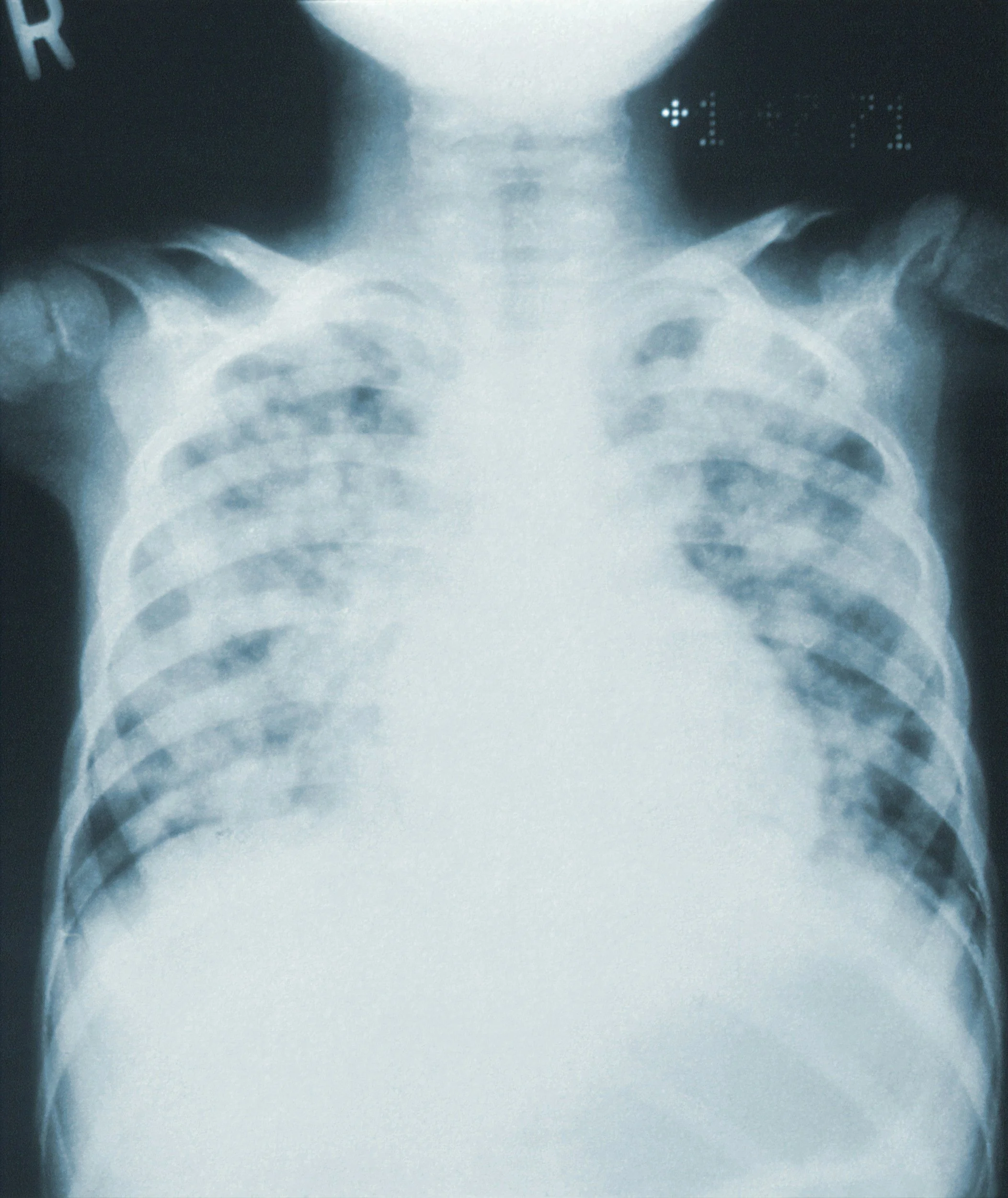
Students investigate how genes, proteins, cells, organs, and body systems influence human health and disease.
Through patient stories, guest speakers, and peer teaching, students explore how biotechnology discoveries become medical treatments and how those treatments affect patients' lives.
7.1 Macromolecules in Medicine (Futurelab+)
19.2 Macromolecules & Drugs [slides]
19.3 Carbohydrates & Sales Pitch [slides]
Assignments
Project: Exploring Human Disorders Through Genetics [outside link: University of Utah]
Group Poster: Human Genetic Disorders [task doc]
Webquest: 7A Human Genetic DIsorders [doc]
Webquest: 7B Protein, Factors, Summary [doc]
Project: Macromolecules in Medicine
Task card [doc]
4. Slide template [slides]
Signup sheet & instructions [sheet]
5. Exit Tickets
6. Corporate Project 0.7: Disorders & Treatments profile
Spring Semester
Unit 8:
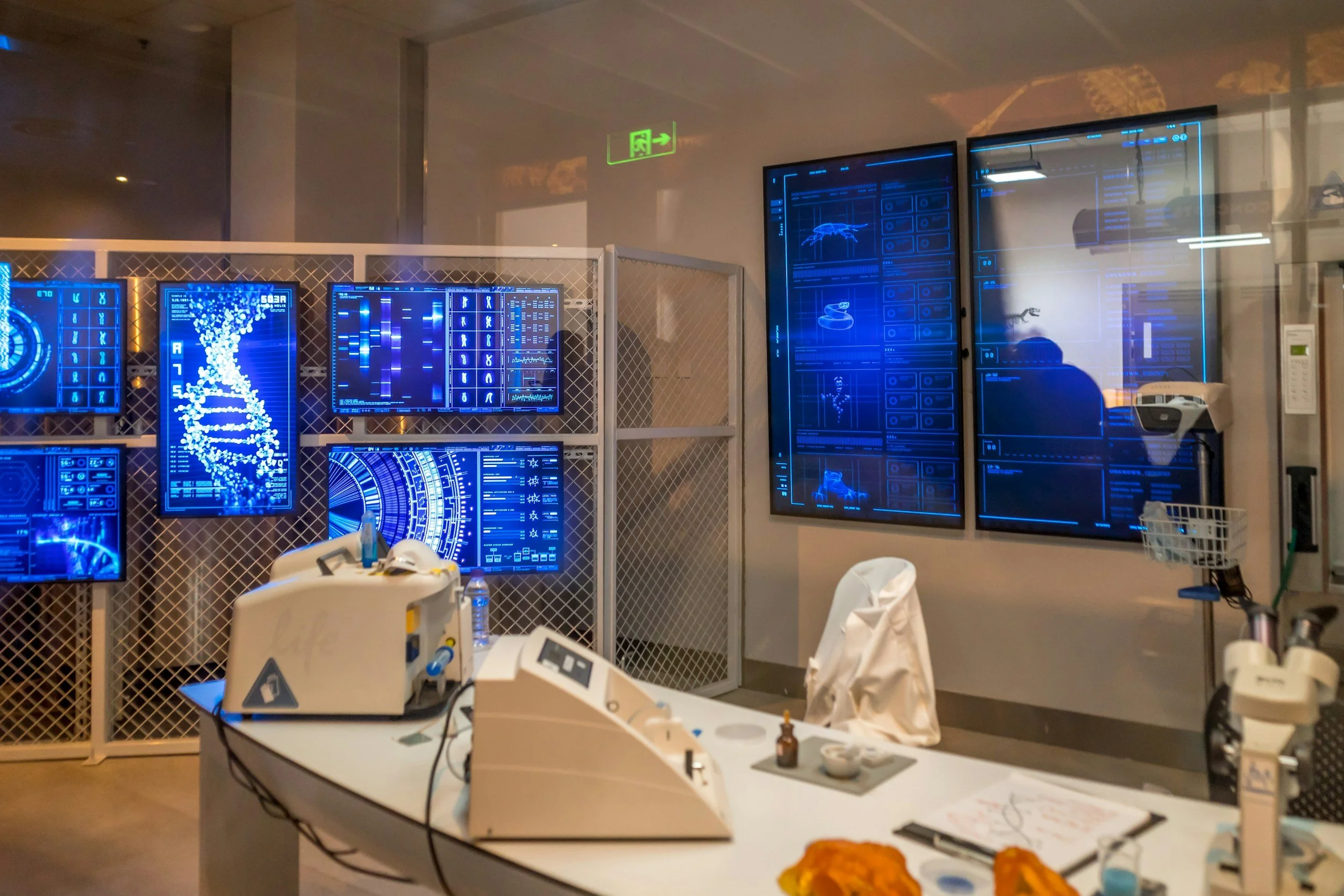
Forensics & Human Variation
Students complete a forensic science laboratory investigation to explore how genetic variation can be used to identify individuals and evaluate evidence.
Through case studies on exoneration, ancestry, and personalized medicine, students examine how genetic differences can both distinguish individuals and help scientists develop more effective approaches to treating disease.
8.1 Forensics for Exoneration
20.1 Lab 6: Forensics Background [slides]
20.2 Lab 6: Forensics Methods [slides]
21.1 Post-Lab 6 Discussion: Forensics for Exoneration [slides]
8.2 STRs and Precision Medicine
21.2 DNA Forensics and STRs [slides]
21.3 Pharmacogenetics [slides]
21.4 Biosimilars & mtDNA [slides]
Assignments
Recap: Fall Semester [doc]
Group Paper Lab: Pharmacogenetics
Reading: Forensics and STRs
Reading: mtDNA
Exit Tickets
Corporate Project 0.8: Pricing Biosimilars

Unit 9:
Biotechnology Investing and Drug Discovery
Students participate in a biotechnology stock market simulation while exploring how scientific innovation, risk, funding, and market forces influence biotechnology companies.
Through analyses of startups and established companies, students examine how research is financed, how new therapies move from discovery to market, and how business decisions can affect scientific progress, patient access, and the future of biotechnology.
9.1 Introduction to Investing
24.1 Risk Tolerance [slides] (#1)
24.2 Inflation & ROI [slides] (#2)
24.3 Starting a Company [slides] (#3)
24.4 P/E Ratio & Biotech Companies [slides] (#4)
25.1 Markets Open [slides] (#5)
25.2 Risk Management & Profitability [slides] (#6-8)
9.2 Life Sciences Companies and Structures
25.3 Characteristics of Quality Biotech Companies [slides] (#9)
25.4 Quality Biotech Companies - Poster Time [slides] (#10)
26.1 Quality Biotech Company Posters & Investing During Conflict [slides] (#11)
28.2 Asset Allocation [slides] (#12)
Corporate & Investment Project
28.3 Project: Corporate Binder [slides]
29.1 Clinical Trials [slides]
29.2 Clinical Trials & Project Time [slides]
30.1 Project Time [slides]
30.2 Project Time - Pre-Recording [slides]
30.3 Project Time - Recording [slides]
Assignments
Corporate Project 0.9 Poster: Qualities of Sustainable Biotech Company
Corporate Project 1.0: Biotech Company Profile [doc]
Project: Investment Portfolio

Unit 10:
mtDNA and Ancestry
Students use DNA extraction, PCR, and gel electrophoresis to investigate mitochondrial DNA and human ancestry.
By analyzing their own (or a sample person’s) genetic ancestry data and interpreting population-level patterns, students explore how scientists use DNA to study ancestry, migration, and human history.
26.2 Posters & mtDNA protocol [slides]
26.3 Lab #8a: mtDNA extraction [slides]
27.1 Lab #8b: PCR protocol [slides]
27.2 Lab #8b: PCR [slides]
28.1 Pre-Lab #8a: mtDNA & Ancestry [slides]
Unit 11:
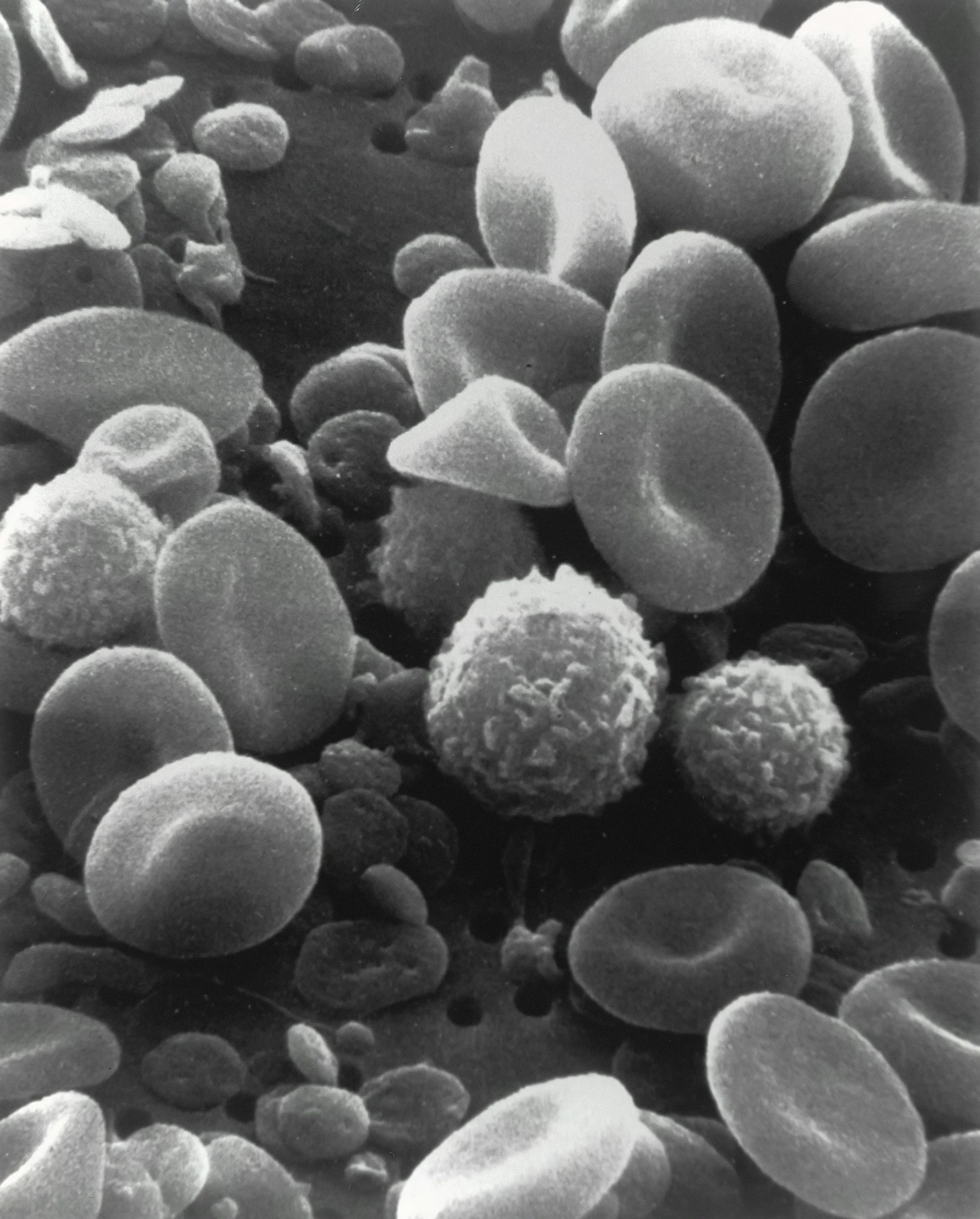
Sickle Cell Anemia & Gene Therapy
Students use PCR, restriction digests, and genotype analysis to investigate sickle cell disease as a case study in genetics, evolution, and biotechnology.
Through laboratory investigations, population genetics, and gene therapy case studies, students examine how genetic variation can shape both disease risk and survival, and how biotechnology is transforming treatment options for patients.
Unit
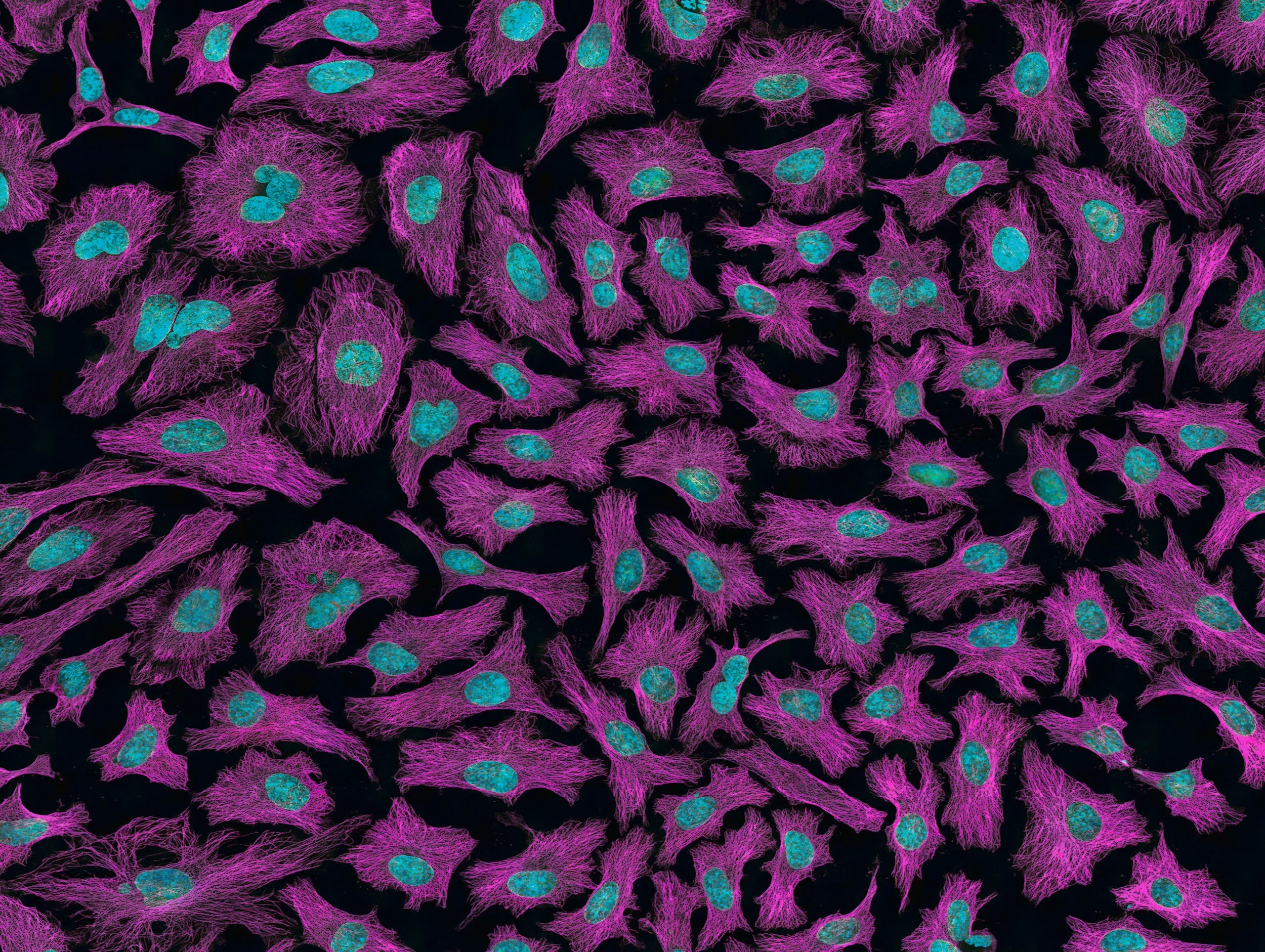
12: Genetics of Cancer and Precision Medicine
Students investigate the genetics of cancer through patient case studies, including Gena's story, and learn how physicians use pathology reports and genetic information to diagnose and treat disease. Through hospital rounds simulations, students interpret clinical evidence, evaluate treatment options, and explore how biotechnology is transforming cancer care for patients and families.
Case Study: Geena [slides] [readings]
Resource: Oncology Intern Handbook [slides]
Assignment: Organizer [doc]
Group Assignment: Pathology Report [doc] [patient reports from Robert Wood Johnson Foundation]
Spoken Assessment: Hospital Oncology Rounds rubric [doc]
Unit
13: CRISPR-Cas9 and Melanogenesis
Students investigate how genes influence traits by exploring the melanogenesis pathway, human skin pigmentation, and the evolutionary adaptations that contribute to biological variation. Through hands-on CRISPR-Cas9 experiments developed in partnership with Stanford researchers, students examine how biotechnology can be used to modify gene function and study the scientific and ethical implications of gene editing.
Paper Model: CRISPR-Cas9
Lab: CrisprKIT (external link: Stanford)
Spring Final Exam
Students receive:
a) the biotech company profile that a different group made last marking period. It contains information about Directors & Officers, Product Pipeline & Clinical Trials, Molecular Pathway, Competitors & Biosimilars, Funding Sources, Stock Performance, and major Press Release indicators of investor confidence.
b) a "breaking news update" that they must respond to
c) an individual organizer (they play 1 stakeholder (patient/doctor, science researcher, investor, FDA regulator/clinical trial coordinator) that identifies, ranks, and explains concerns)
d) a group organizer that ranks concerns and explains their recommendation using 3 pieces of reasoning & evidence
Assignments
Unit
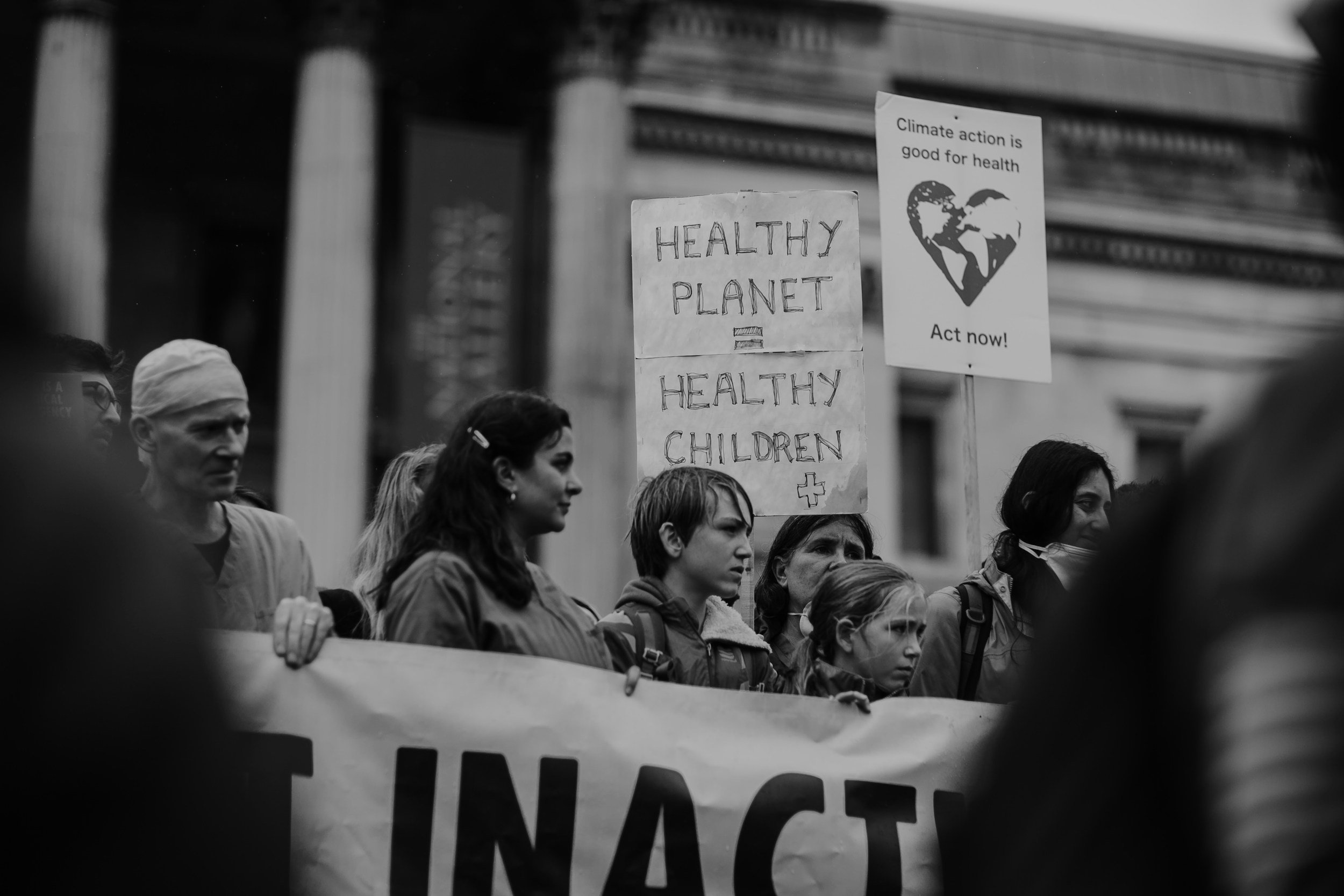
14: Science Socratic Fishbowl - Bioethics
Students research and discuss contemporary biotechnology issues through stakeholder-based Socratic seminars. The goal of these socratic seminars is to provide an opportunity to practice engaging in contemporary and future issues challenging scientists and policymakers today. Although students may have a strong opinion, their role is to explore and represent all the stakeholder issues, through discussion. We are looking for diversity of voices and frames of analysis.
To prepare, all participants will complete a graphic organizer with their research, which will be printed and prepared for you the night before. It must contain 4 curated sources and 4 reliable sources from their own independent research. Peer and teacher feedback on active listening skills like inviting others in, summarizing, not interrupting or taking over, and questioning sources.
By evaluating scientific evidence alongside ethical, economic, environmental, cultural, and policy considerations, students practice informed decision-making about the future of biotechnology and its role in society. The structure comes from Leon Sultan, long-time history teacher.
Introductory Letter from George Cachianes, Founder of Biotechnology at Abraham Lincoln High School
Teacher & Peer Observer Rubric [pdfs] (source: Leon Sultan)
Self-evaluation Rubric & Reflection [doc] (source: Leon Sultan)
Idea #1: Should Congress require hospitals to collect and share genetic information from all patients, for the purposes of creating a public database for medical research and law enforcement? [task doc & starting research]
Idea #2: Should future California parents be allowed to edit their baby’s DNA to change traits (e.g. serotonin levels) that employers and universities might filter out? [task doc & starting research]
Acknowledgments (About the Program)
At Lincoln High School (SF), I inherited this curriculum from some visionary teachers who sourced equipment, materials, industry allies, funding, and institutional support to cultivate in high school students the skills to join a biotechnology career. Folks like David Cachianes, Julie Reis, David Frischer, the team at Bay Area Biotechnology Consortium, and many other educators and partners worked tirelessly to create a sustainable curriculum and program for high school students anywhere. A high point was when high school students collaborated with UCSF at iGEM, a college-level competition. The college-level program went on hiatus for several years before I joined the school.
I have since built on those foundations and adapted the work of others to create a program that trains students in the laboratory, critical thinking, and communication skills that will make them competitive for college and career preparation. Every year, I refine the focus, cognitive load, and differentiation of assignments that build student confidence in reading scientific papers, troubleshooting lab experiments, and thinking critically. Some highlights include CRISPR-Kit, a room-temperature based technology prototyped at Stanford, a peer rubric for active listening, my own unit on breast cancer and precision medicine, my own financial investment unit on evaluating product pipelines to distinguish sustainable biotechnology companies, and several creative individual and group final assessments.
Permissions
No permissions-based materials are reproduced here, but are linked for your use. Any citation omissions are unintentional.
Feel free to adapt and re-share for non-commercial purposes (CC BY-NC-SA).
Some links are only available to SFUSD students logged in through their school district account and are property of their respective authors.